
Skip to product information
1 of 3

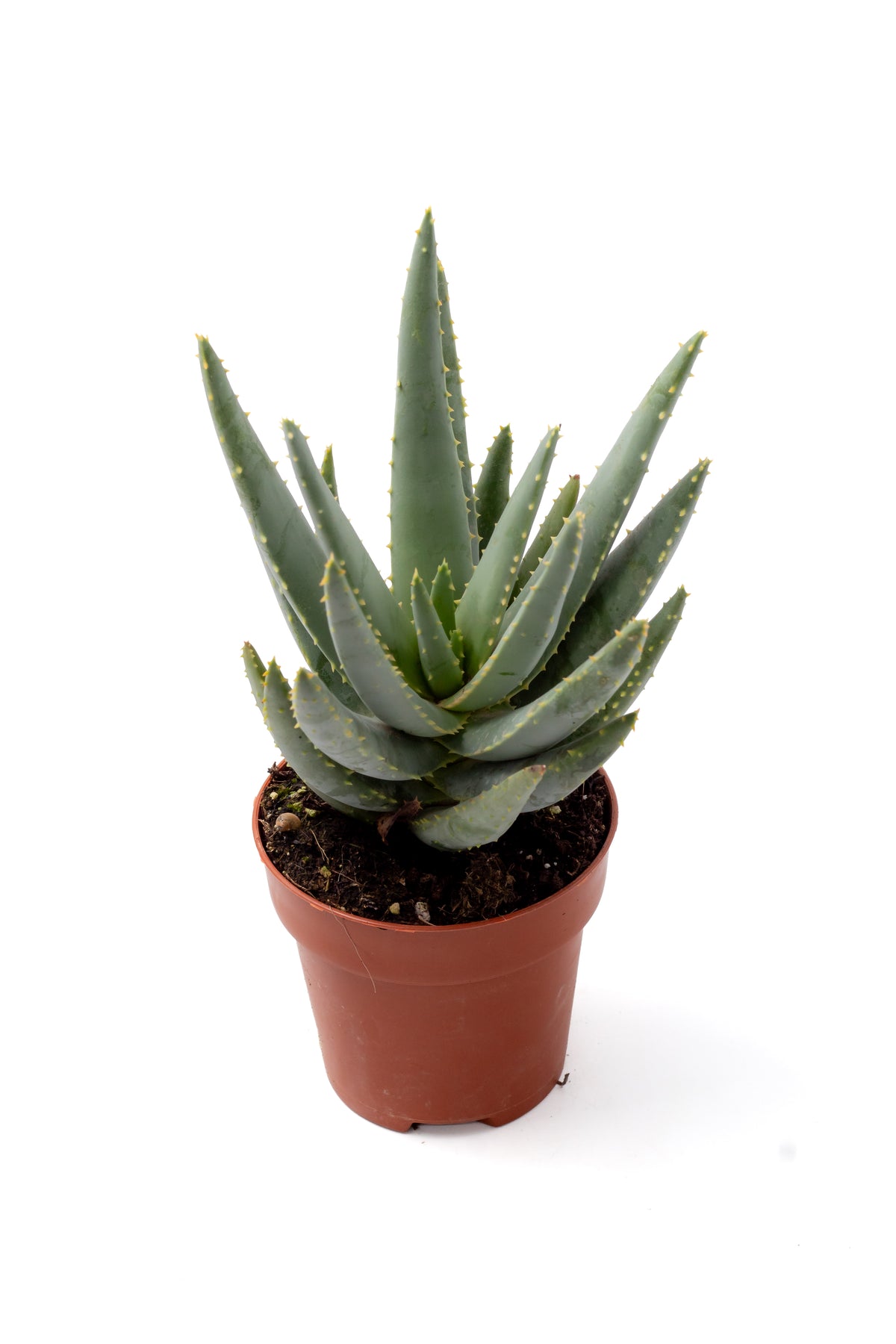
Aloe dichotoma

Aloe dichotoma

Regular price €14,71 EUR
Regular price Sale price €14,71 EUR
Sale Sold out
Taxes included. Shipping calculated at checkout.
Quantity

Free shipping from €40 (NL) €80 (BE). Ordered before 2:00 PM on workdays, shipped today.

Plants may differ slightly from the photos. Each plant is unique and slightly different from its neighbor.

Not suitable for consumption (humans and animals)

Diameter: 13 cm

Height: 20-25cm

Care

Water:

April-September: 1 x every 2 weeks*

October-March: 1x per month *

*This is only for a sunny location

Light: sunny

Nutrition: 1x per month (May-September)

Information

The Aloe dichotoma, also known as the Quiver Tree, is an impressive succulent that occurs naturally in the Northern Cape of South Africa and Namibia. Here, this tree grows in Namaqualand and Bushmanland.

The plant grows in desert and semi-desert rocky areas that receive rainfall in winter, if at all. Here, Aloe dichotoma often grows on black rock formations, also known as 'ysterklip,' which absorb a lot of heat during the hot summer with average temperatures around 38°C. The rocks anchor the plant, which has a spreading root system.

The Aloe dichotoma is probably the best-known aloe and forms an extremely strong tree with a dense, rounded crown due to its repeatedly branched stems. It is one of the largest species in the genus Aloe and can reach an age of over 80 years and grow to about 7, sometimes up to 9 meters tall with a diameter of up to 1 meter at ground level.

The trunk of the Aloe dichotoma is smooth and covered with a thin layer of whitish powder. This powder helps the plant to reflect the hot sun rays and thus cool down. The trunk starts thick at the base and gradually tapers upwards. What is special about this tree is the way it grows. As the tree grows larger, it begins to split in two about halfway up its height. This split branch then continues to grow and splits again into two branches. This pattern repeats itself over and over, resulting in a symmetrical, candle-shaped crown. This repeated dichotomous branching pattern is so characteristic that it gave the plant its name: dichotoma means 'split in two.'

At the ends of the branched stems, the leaves grow in rosettes. The leaves are blue-green and fleshy with a narrow brownish-yellow margin with thorns. In young plants, the leaves are arranged in vertical rows, but in older plants, they form a spiral rosette at the top. These rosettes at the ends of the forked branches together form a dense, rounded crown. What is special is that the old dry leaves fall off, so that only the green rosettes remain at the branch tips and the rest of the branch remains clean.

The Aloe dichotoma flowers in winter with flower stalks up to 30 cm high. The flowers are bright canary yellow, held close to the leaves, at the ends of the branches. They are quite short and upright. The flowers are rather short and rounded in shape and not nearly as striking as many other aloe species. The plant only produces its first flowers when it is about 20 to 30 years old.

Plant passport

A: Aloe B: NL-765431734 C: D: NL

  • Fresh from our greenhouse
  • Safely packaged
  • Shipped quickly
View full details

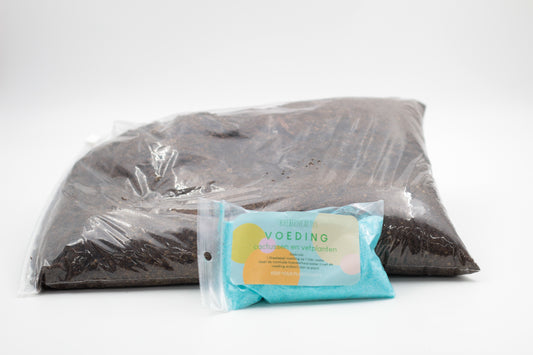
Add a bag of food or soil?

1 of 3