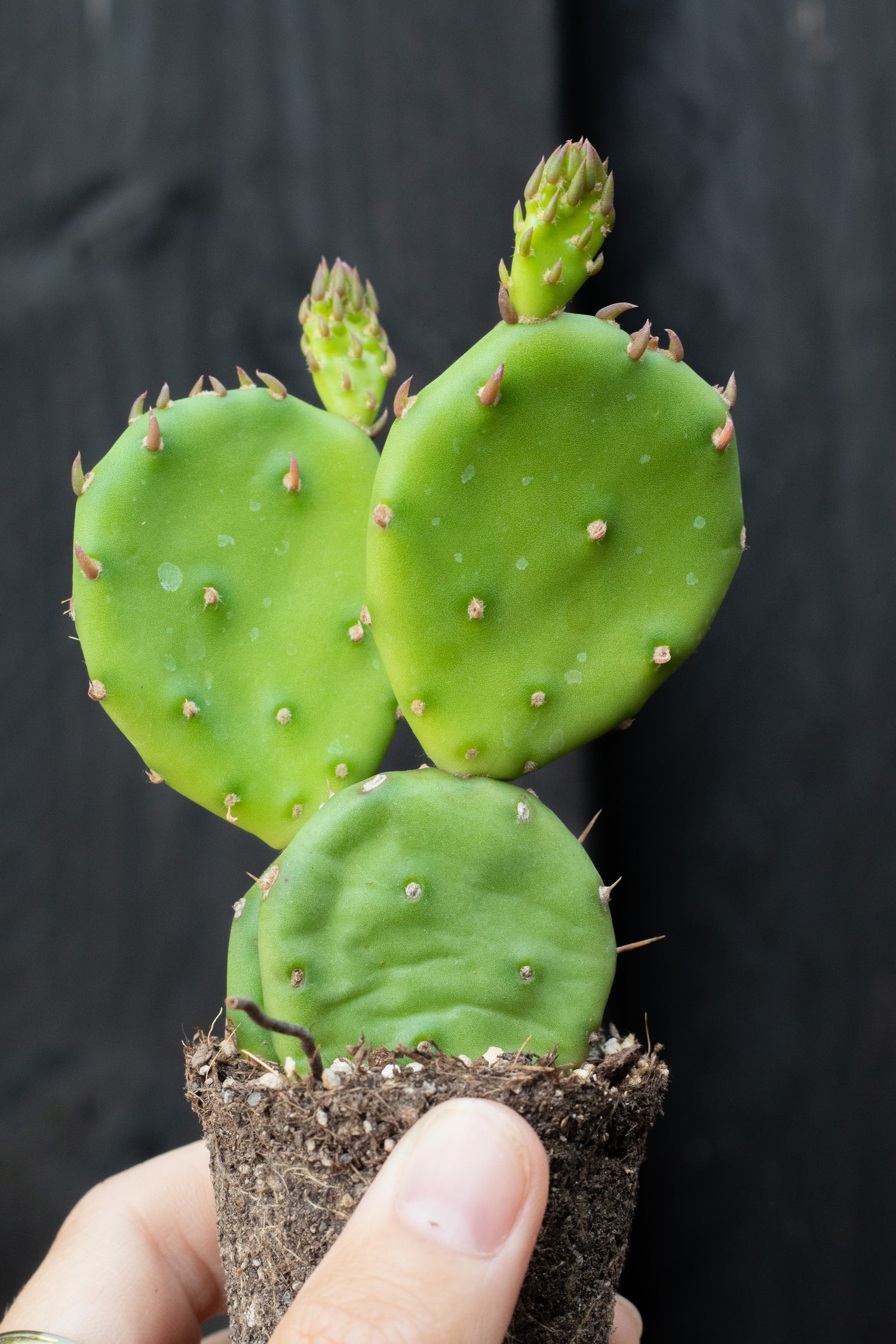



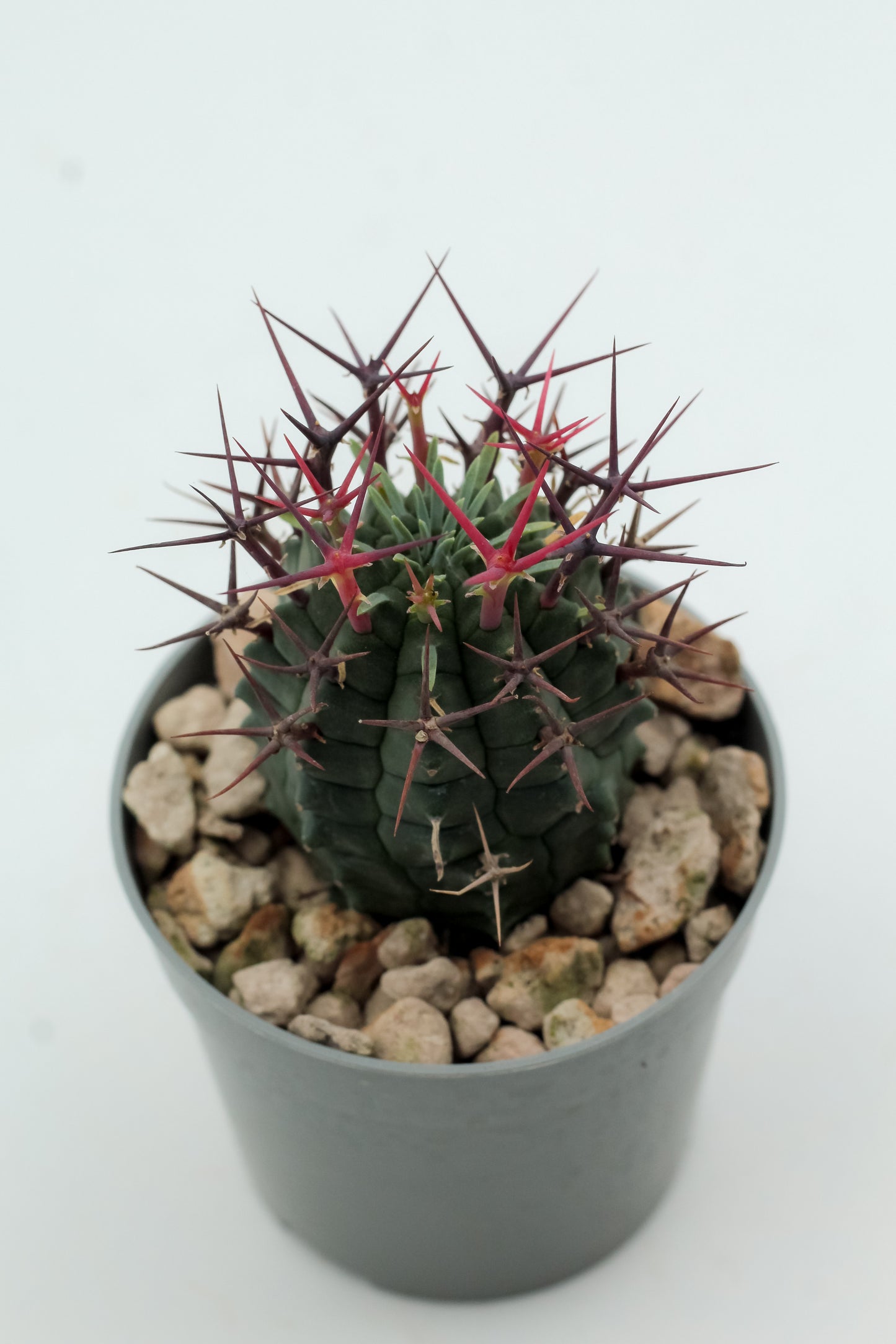
Euphorbia stellispina
Euphorbia stellispina
Regular price
€9,95 EUR
Regular price
Sale price
€9,95 EUR
Taxes included.
Shipping calculated at checkout.
Quantity
Couldn't load pickup availability
Free shipping from €40 (NL) €80 (BE). Ordered before 2:00 PM on workdays, shipped today.
Plants may differ slightly from the photos. Each plant is unique and slightly different from its neighbor.
Not suitable for consumption (humans and animals)
Diameter: 6.5 cm
Height: 8 cm
Care
Care
Water:
April-September: 1 x every 2 weeks*
October-March: 1x per month *
*This is only for a sunny location
Light: sunny
Nutrition: 1x per month (May-September)
Information
Information
Plant passport
Plant passport
 Fresh from our greenhouse
 Safely packaged
 Shipped quickly


Add a bag of food or soil?
-
Cactus and succulents soil 2.5L
Regular price €4,95 EURRegular price -
Cactus and succulent plant nutrition
Regular price From €5,95 EURRegular price -
Kerstcactus & Paascactus Bloeivoeding 100 gr
Regular price €5,95 EURRegular price -
Kerstcactus & Paascactus Aarde 2,5L
Regular price €4,95 EURRegular price


